Explore
Two traditions, one language
Wander through the ragas of Hindustani music and the forms of the Western canon — and see how much they share.
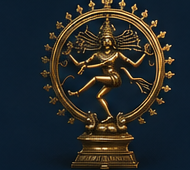
Preserve. Promote. Pass on.
Indian Classical Music
Hindustani classical music organises the day itself into ragas — each one tied to an hour, a mood, a season. Our Circle of Time & Ragas on the home page is a small map of that idea: twelve ragas keeping time with the sun.
- Raga & tala fundamentals for new listeners and students
- Vocal, sitar, tabla and harmonium instruction
- Lecture-demonstrations and recorded archive of live recitals
Celebrate. Collaborate. Connect.
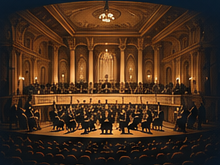
Global Classical Music
From the counterpoint of Bach to the symphonies of Beethoven and beyond, the Western classical tradition shares Hindustani music's core discipline: years of listening before a single note is your own.
- Piano, guitar and vocal instruction on classical repertoire
- Music theory, sight-reading and ear training
- Chamber ensembles and joint recitals with our Indian classical students
Carnatic Music
The Southern tradition
Seventy-two melakartā, seven tāḷa families and the kṛti repertoire of the Trinity — the classical music of South India, taught alongside Hindustani and mapped to it scale by scale.
EXPLORE CARNATIC MUSIC →